Essential Building Materials for Construction Projects
Lumber and Timber
In South Africa, the phrase “building supplies used” often refers to salvaged timber, yet new lumber remains the backbone of residential construction. Softwood from pines grows quickly, while hardwoods such as saligna provide resilience. The choice hinges on moisture content and grain direction. A builder must assess both factors.
Kiln-dried planks resist bending, and pressure-treated poles stand up to termites. Some contractors prefer local species for affordability. Others import meranti for external joinery.
Consider these elements:
- Structural load
- Exposure to weather
- Budget constraints
Each influences the final selection. I have seen projects fail because someone ignored the sapwood. Timber is not a commodity; it is a living material with its own temperament.
Concrete and Cement
The mixer’s drum turns with a persistent, unrelenting motion. Dust settles on the tools. Cement, that grey powder, binds the entire assembly into a single mass. In South Africa, the quality of this binder varies with the source.
Building supplies used for foundations require a careful evaluation of the sand. Sharp river sand interlocks better than round dune sand. The range of available cements includes:
- CEM I for high early strength
- CEM II for general use
- CEM III for sulfate resistance
I have seen a single bucket of clay ruin an entire pour! The water to cement ratio must be controlled. A slab left without shade and moisture will develop crazing, a network of fine cracks.
Steel and Metal Alloys
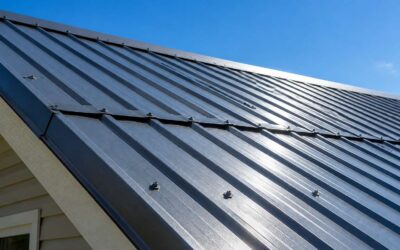
In South Africa, steel supports every ambitious build. A single I-beam carries a crowd, while a galvanised sheet resists the Cape’s salt spray. Iron, carbon, and trace elements make an alloythat bends before breaking, giving engineers time to react.
Among the building supplies used for framing, roofing,and reinforcement, steel offers predictable resilience. Highveld’s local production feeds demand,but imported alloys bring specific strengths. For coastal foundations, stainless steel with molybdenum resists chloride corrosion;for high-rise cores, quenched and tempered steel reaches yield strength beyond 450 MPa.
- Rebar, ribbed for concrete adhesion
- IPE beams,with uniform flange widths
- Corrugated sheeting,coated in zinc or aluminium-zinc
These metal alloys do not swell in humidity or expand in heat. Selecting the right grade requires reading the supplier’s mill certificate. The cheapest ton hides brittleness, so verify the elongation percentage before specifying.
Masonry and Bricks
A single clay brick carries 20 megapascals of compressive load. In Durban’s humid air, it shrugs off moisture that warps treated timber. The building supplies used for masonry and brickwork demand careful grading.
Local kilns fire bricks from weathered shale, giving each unit a consistent density. The supplier’s batch certificate shows water absorption, usually below 10% for good units. A great brick resists efflorescence, that white salt bloom that disfigures façades. Common formats include:
- Common bricks for core walls and backing
- Face bricks for exposed exteriors
- Engineering bricks for damp proof courses
Mortar should be softer than the brick. That prevents cracking when the wall expands. Fireclay bricks line braais and industrial chimneys. They handle 1 400 degrees without spalling. Compressive strength falls off above 20 MPa. That data drives every masonry specification!
Insulation and Foam Boards
In Durban, the evening sun turns a poorly insulated roof into a source of domestic strife. The building supplies used for insulation do not appear in photographs, but they determine whether a room feels civilised or merely roofed. Foam boards, assembled from expanded or extruded polystyrene, resist water and hold their shape under load. The specifier’s choice depends on the thermal conductivity and the compressive strength, both listed on the technical sheet.
- Expanded polystyrene for general use
- Extruded polystyrene for wet conditions
- Polyisocyanurate boards for high performance in thin sections
Each board type behaves differently when the temperature shifts. A wall that lacks a vapour barrier will weep, and weeping in masonry is never polite.
Fasteners and Hardware
Failures in construction seldom announce themselves at assembly. They surface years later as a creaking stair or loosening handrail. The cause is almost always an overlooked fastener.
The building supplies used to join structural members are small but critical. I have seen a 5 millimetre screw bring a workshop to a standstill. Bolts, nails, anchors, and rivets each carry their own metallurgy and coating requirements. Coastal Durban demands a different specification than the Highveld, where salt spray degrades zinc plating within months.
- Galvanised coach screws for timber beams
- Stainless steel expansion anchors for masonry
- High tensile bolts for steel splices
- Epoxy coated nails for weatherboarding
Hardware governs daily building behaviour. Hinges, sliding tracks, and window stays operate thousands of times each year. The building supplies used in these components require abrasion resistance. A nylon roller outperforms its metal predecessor in dusty conditions. The difference is invisible in a photograph but tangible in every interaction.
How to Choose Quality Building Supplies Within Budget
Evaluating Material Grades and Certifications
In South Africa, the average construction project overruns its budget by nearly 16%, often due to the wrong choices in building supplies used. That gap between your spreadsheet and your final invoice rarely stems from poor planning, but from buying inferior materials that fail on site or require expensive rework. The clever trick is to remember that the cheapest price per unit is a seductive lie, while the cost per square meter installed stands as the only honest number you should trust.
Sourcing quality within your financial guardrails demands a comprehensive approach to the building supplies used in your build. Your local hardware giant might offer promotional pricing on a pallet of bricks, yet a dedicated distributor could match that figure while offering certified stock with traceable origin. Keep your eyes open for the South African Bureau of Standards (SABS) mark, which confirms the product meets national specifications. Without that mark, you are gambling on factory seconds, often disguised as bargains.
When you inspect your materials, ignore the shine and look for the substance:
– Ask for the mill certificates on steel rebar, ensuring the yield strength matches your engineer’s schedule.
– Check the aggregate in concrete for dusty particles, which weakens the mix.
– Verify the sodium silicate content in insulation, as this dictates its fire resistance.
– Request the specific gravity report for timber; it reveals whether your load-bearing posts are dense enough.
– Confirm the certification labels on waterproofing membranes are not printed in fading ink.
The money you save on lower-grade stock is often transferred directly to your labour costs, as workers struggle with warped boards or brittle bricks that crack mid-cut. A robust budget strategy involves spending slightly more on structural components while economizing on aesthetic finishes that you can replace later. By checking the fine print and the certification stamps, you avoid the misery of a rebuild and keep the treasure chest intact. It is a matter of forcing the market to be transparent with you, not a wish for luck.
Comparing Local Suppliers vs. Online Retailers
Choosing where to buy often matters more than the specific brand on the label. Local suppliers in South Africa hold a tangible advantage: they know the regional soil conditions and the exact mix of building supplies used in coastal versus Highveld climates. When a delivery arrives late or a batch is off spec, you can visit their yard that same afternoon. That proximity protects your schedule. Online retailers, meanwhile, lure you to the checkout with aggressive discounts on bulk orders. Yet, freight costs on heavy loads can obliterate that saving before the truck reaches your site.
Before you commit to a digital cart, compare the landed cost, not the shelf price. Ask the online vendor for their delivery timeline in writing. A promised four day window that stretches to three weeks leaves your crew idle. Your ammunition for negotiation is the quote from a local rival. When you present a digital price to a physical store, they often match it to keep your account.
For a fast, accurate assessment of any supplier:
1. Request a physical sample of the exact batch they will deliver.
2. Confirm their return policy for damaged pallets.
3. Verify their credit terms for recurring orders.
4. Ask for recent project references in your province.
A hybrid approach often yields the best of both worlds. You order the long lead items, like imported hardware, online for cost efficiency. You reserve the perishable and brittle goods, like bricks and cement, for the local partner who can replace a cracked batch without delay. This strategy keeps the building supplies used on your site consistent in quality and arrive when the schedule demands them. The real budget leak is not the unit price, it is the cost of waiting.
Benefits of Bulk Purchasing
Every rand saved on a dubious batch of aggregate becomes a hidden expense when the wall cracks after the first heavy rain. Choosing quality building supplies used in your foundation demands a hard look at the supplier’s storage yard and batch documentation, not merely the quoted price. In South Africa, moisture content and clay contamination vary wildly between regions, so verify these factors before you order.
Bulk purchasing benefits only appear when logistics, wastage, and rework shrink together. Before committing to a large order, check these points:
- Confirm that the bulk batch matches the approved sample.
- Calculate storage costs, because a wet season ruins unprotected stock.
- Negotiate a written delivery schedule with penalties for late arrival.
The real saving comes from dependable materials delivered consistently and on time.
Hidden Cost Considerations to Avoid
A price tag only reveals the first layer of cost. The building supplies used on a project often hide expenses that emerge only after delivery. Moisture content in sand or aggregate, for instance, can shift dramatically with the season. A drier batch costs more upfront, but the alternative leads to cracking and rework.
Transport distances and site access affect the final price, especially for heavy materials like cement or blocks. Storage becomes a hidden expense when rain arrives before the concrete is poured. A supplier’s willingness to share batch documentation exposes these risks early.
Sustainable and Eco-Friendly Building Material Options
Recycled Steel and Aluminum
The construction industry is responsible for over 30% of global waste, so the shift toward materials that close the loop on consumption is no longer a niche preference. When you select recycled steel and aluminum, you are choosing products that retain their structural integrity through multiple lifecycles. These metals are endlessly recyclable without losing their core properties, which is a significant advantage over many other building supplies used in modern projects.
Recycled steel offers exceptional strength-to-weight ratios, making it ideal for frameworks that need to withstand heavy loads. Aluminum, conversely, brings a corrosion resistance that is perfect for coastal environments common in South Africa. Neither material requires the energy-intensive extraction of virgin ore, meaning the environmental footprint is lighter from the outset.
The practical benefits of opting for recycled content extend to the bottom line and the build itself:
– Reduced weight on foundations can lead to lower concrete and excavation costs.
– Scrap metal has inherent market value, so offcuts retain resale worth.
– Assembly is often faster due to prefabricated components with tight tolerances.
– Fire resistance is inherent in both metals, adding a safety layer.
These characteristics make planning a project more predictable. The building supplies used in a frame or roofing system directly influence the long-term maintenance schedule. Since metal does not warp or attract pests, the need for chemical treatments and replacements drops dramatically over time. This durability ensures that the initial investment in sustainable materials pays dividends in both performance and reduced environmental strain, a critical consideration for builders aiming for green certifications in South Africa’s evolving regulatory landscape.
Bamboo and Reclaimed Wood
Bamboo shoots can gain a meter in a single day, a growth rate that separates it from every other fibrous material on site. Its cellular structure delivers a compression strength comparable to concrete, yet it bends without fracturing under tension. Reclaimed wood, sourced from decommissioned warehouses or old Cape farmsteads, arrives with a stability impossible to rush. Decades of drying have removed the moisture content that causes warping in green lumber.
When comparing these options, weigh their practical attributes:
- Bamboo regenerates from its own roots, so harvesting does not destroy the grove.
- Reclaimed wood is already carbon neutral in the sense that it has absorbed its footprint over years of service.
The building supplies used on a facade or flooring surface perform differently in humid coastal air. Bamboo resists moisture when properly treated, while reclaimed wood responds predictably because its cells have settled. Both offer a path that avoids the energy debt of virgin harvesting, and both carry a texture that synthetic materials mimic but never match.
Low-VOC Paints and Sealants
A single coat of conventional paint can release volatile organic compounds for months after application. That lingering chemical haze is why low-VOC paints and sealants now occupy a critical position in modern construction. I have seen projects where the choice of finish mattered more than the framing lumber, especially in sealed apartments where air exchange is poor.
Among the building supplies used in finishing work, these products offer a measurable reduction in indoor air pollution. Water based acrylics and natural oil sealants avoid the solvent load of their predecessors. They behave differently in humid coastal conditions, so verify the coverage rates and recoat times before committing.
- Low-VOC paints cure without the sharp odour that signals offgassing.
- Plant based sealants penetrate wood grain without leaving a plastic barrier.
For homes near the Cape Peninsula, the relative humidity demands a sealant that breathes. Low-VOC options deliver that resilience without sacrificing clarity or depth of finish. That is a trade worth making!
Insulation Made from Recycled Materials
Recycled content is changing how South African builders approach thermal performance. Cellulose insulation, made from shredded newsprint treated with borate, offers fire resistance and pest deterrence without the chemical load of virgin alternatives. Denim offcuts from textile mills become batt insulation with acoustic properties that outperform many synthetic products.
The building supplies used in this category are surprisingly ordinary. Shredded paper, wool waste, even recycled glass transformed into fibreglass. For coastal homes, these materials handle humidity differently. They regulate moisture rather than trapping it against structural timbers.
- Recycled plastic insulation resists mould but demands careful vapour barrier placement
- Cellulose settles over time, so density must exceed the manufacturer’s specification
Virgin alternatives consume significant resources during production. Recycled materials start with waste that already exists. For a country focused on landfill reduction, that distinction matters.
Green Concrete Alternatives
Conventional cement contributes about 8% of global carbon emissions. That alone should make builders rethink their choices. The building supplies used for green concrete alternatives are often ordinary. Fly ash from coal plants and ground granulated blast furnace slag from steel mills can replace a large portion of Portland cement. These are industrial leftovers, repurposed for South African construction that wants lower emissions.
Geopolymer concrete is another route. It relies on alkaline activation instead of cement paste, and it handles coastal salt conditions well. Hempcrete, a blend of lime and hemp shiv, adds insulation but is not load bearing. Your decision depends on site conditions and local supply. Also, setting times differ, which affects crew scheduling. Ask suppliers for test reports and check the energy cost of transport before you assume a product is truly green.
Top Tips for Storing and Handling Building Materials on Site
Moisture Protection and Waterproofing
The KwaZulu-Natal humidity can turn a stack of gypsum boards into a sagging ruin within a single afternoon. That is why every site needs a dedicated dry zone, shaded from the morning sun and protected from prevailing winds. The building supplies used for this task, including reinforced polythene and self-adhesive flashings, lose their potency if you simply lay them over damp ground.
Check the soil beneath your storage area, because capillary moisture rises through sand and gravel. Use wooden bearers or old railway sleepers to lift every load at least fifteen centimetres. Ventilation matters as much as cover. A tarp that touches the material traps condensation, so prop it with a simple A-frame or use a grommeted sheet that allows air to circulate.
Proper Ventilation for Chemical Materials
A single can of contact adhesive can fill a storeroom with fumes in minutes. The building supplies used for chemical materials are often stored with too little thought about airflow. Solvents, sealants, and thinners release vapours that can ignite or cause respiratory damage. In the high humidity of KwaZulu-Natal, those vapours also condense on cooler surfaces and create a slippery film. Cross ventilation is the first defence. Place vents low and high so that fresh air pulls fumes upward and out. Avoid storing chemicals near fuel or combustible waste.
For handling, decant liquids only in open spaces. Every worker handling building supplies used in chemical processes should have eyewash nearby. Inspect seals before stacking, and never stack containers above eye level.
Consider these ventilation checks:
- Confirm that intake vents face prevailing winds.
- Measure airflow with a simple smoke test each month.
- Replace filter media in exhaust fans every season.
Safe Lifting and Transportation Techniques
Back injuries account for one in four workplace incidents involving material handling. That statistic alone should change how we approach moving building supplies used on any construction site.
Before lifting, inspect the load for sharp edges and unstable packaging. Bend at the knees, not the waist, and keep the load close to your spine. For transportation, use mechanical aids like trolleys and forklifts whenever possible. Never carry materials on your shoulders or back, as this strains the lumbar region.
- Plan the route before moving anything.
- Use two workers for awkward or overweight loads.
- Secure all materials with straps, not rope.
Gloves with a good grip prevent slips, especially in humid conditions. Proper lifting technique protects both the worker and the materials!
Inventory Management and Stock Rotation
Materials stored without a plan will rot, rust, or simply grow legs. The building supplies used on a site deserve a rotation system, not a dark corner for chaos. Track each delivery and push the oldest stock to the front of the line. This simple habit prevents expensive losses and keeps your crew from digging through a mountain of bags to find one usable item.
Inventory management works best with weekly checks. Count bags of cement, lengths of pipe, and boxes of fasteners. Write down what remains and compare it to your order sheet. This catches mistakes before they delay a pour or stall a framing crew. For metal items, keep them elevated and covered. For timber, ensure air flows freely around the stack.
- Label every stack with its delivery date
- Place new stock behind older stock
- Inspect stored goods for moisture and pests
Rotation preserves quality. Cement weakens after a few months, and rusted steel is scrap. A tidy yard with an accurate stock list saves you from frantic calls to the supplier at 4 PM on a Friday.
Temperature Control for Adhesives and Sealants
There is a particular cruelty in watching a pristine tube of sealant turn to stone. The heat of a South African summer, pressing down on a tin roof, can cook the life out of these materials before you even break the seal. The building supplies used on site are often at the mercy of this climate, and temperature becomes a silent executioner. Adhesives and sealants have a fragile temperament. They demand a stable environment, a reprieve from the brutal sun and the damp of the night air.
Consider the chemistry at play. A polymer that is meant to cure and bind needs a specific thermal window to perform its duties. When the mercury climbs past thirty degrees, the chemical reaction speeds up, often becoming erratic and thin. The bond fails. You are left with a surface that looks fixed but will surrender at the first sign of stress. Conversely, cold makes these compounds thicken, turning a simple application into a battle of brute force against a stubborn paste.
The dark truth is that most warranties vanish when exposed to extreme temperatures. You can have the finest grade of material, but it will not save you from the consequences of neglect.
– Store all containers in a shaded, insulated area.
– Keep the lids sealed tightly after each use to prevent skinning.
– Allow the materials to acclimatise to the ambient temperature for a full day before application.
The best storage solution is a dedicated, insulated box that shields the containers from the elements. It is an investment in the integrity of your work. The building supplies used here require a level of respect that goes beyond simply stacking them in a shed. You are managing a chemical reaction, and you hold the power to control its outcome with a little foresight. Otherwise, you are simply gambling with the strength of your next project.
Trends and Innovations in the Building Supply Industry
Smart Materials with Self-Healing Properties
Nearly a third of construction failures stem from micro-cracks, yet a quiet revolution is rewriting that maths. Smart materials with self-healing properties are no longer laboratory curiosities. They are entering the field, changing how the building supplies used in modern projects perform over decades. Concrete embedded with bacteria that seals fissures, and polymers that rebound after compression, are leading this shift. These technologies extend lifespans without human intervention. The building supplies used in South Africa’s coastal zones, where salt corrosion accelerates damage, stand to benefit most from this adaptive resilience. Trade suppliers are watching these developments closely as durability becomes the new standard.
Prefabricated and Modular Panels
Prefabrication can cut construction waste by up to 90% compared to traditional on-site framing. That statistic explains why modular panels are moving from niche to mainstream in South Africa. The building supplies used in this system arrive pre-cut, pre-drilled, and ready to lock into place. They are measured to the millimetre, removing the guesswork that plagues conventional sites.
Consider what a prefabricated wall panel actually contains: structural framing, insulation, a vapour barrier, and sometimes electrical conduits. One supplier in Gauteng told me his crew installed a full building envelope in three days. That speed comes from standardisation, not corner-cutting!
- Structural insulated panels reduce thermal bridging compared to traditional stud walls.
- Cross-laminated timber panels offer high strength for multi-storey builds.
- Precast concrete panels integrate window frames at the factory stage.
Factory offcuts are recycled at the source, and delivery schedules keep materials arriving only when needed. The building supplies used in prefabrication support a cleaner workflow, which matters as landfill costs climb across the country.
3D-Printed Building Components
Last month I watched a robotic arm extrude a wall section in Stellenbosch. It took four hours, and the wall arrived without offcuts. That is not a stunt; it is a growing pattern in South African construction.
3D printed building components have moved past novelty. Contractors now order custom brackets, curved formwork, and even site-specific anchors. The building supplies used in these printers are polymer-modified mortars and geopolymer pastes. They set fast, yet leave the crew time to level things properly.
- Reinforced concrete pipe sections
- Acoustic wall panels for shared housing
- Column baseswith bolt sockets cast into place
One supplier in Durban printed a staircase stringer directly from survey data. The part fit on the first try, which is rare enough to draw a laugh from any foreman.
Sustainable Packaging Solutions
Almost every crate that arrives on a Johannesburg site still carries foam and plastic sheeting. Yet a quiet shift is underway. Sustainable packaging solutions now favour moulded pulp corner guards and starch based void fillers. These materials dissolve or compost, and they protect the same bundles of brick ties and roofing screws without the landfill guilt.
I have watched suppliers replace shrink wrap with paper banding reinforced by sisal fibres. The building supplies used inside still arrive intact, but the waste stream becomes far lighter. Some Cape Town firms even accept empty pallets back for credit.
- Returnable steel stillages for cementitious bags
- Water soluble film for small hardware packs
- Recycled cardboard honeycomb for edge protection
This is not about cosmetics. Packaging weight affects freight costs and fuel burn. A supplier trimming a few hundred grams per delivery saves real money across a year. The trick is balancing protection with biodegradability, especially during rainy winters when paper wraps soften. One manufacturer now coats its pulp trays with a thin beeswax layer, which keeps moisture out yet lets the tray break down in a municipal composter.
Digital Supply Chain Tracking Systems
Every pallet that disappears into the dark of a Joburg warehouse carries a hidden weight. Digital tracking systems now trace the building supplies used on site from quarry to scaffold. Radio frequency tags and GPS pings replace guesswork. The supply chain becomes a dense record of movements, showing where materials linger too long.
I have seen a dashboard expose a shipment of cement stranded in KwaZulu-Natal! The system flagged it at 4 a.m. Without it, that delay would have surfaced only when a crew stood idle.
Some firms pair tracking with automated alerts:
- Temperature spikes for adhesives
- Route deviations for timber
- Stock levels that trigger reorder
The data does not predict the future. It shows the silence between orders, the quiet theft, the slow decay of unused stock. For any contractor, traceability is not optional. It is necessary.


0 Comments